
John Galliano Designing for Zara: What It Means for Luxury Fashion
John Galliano designing for Zara marks a shift in fashion. Explore what it means for luxury, resale value, and the future of the industry.

John Galliano designing for Zara marks a shift in fashion. Explore what it means for luxury, resale value, and the future of the industry.

Learn how to authenticate luxury bags with 7 expert checks used by Elan Archive. Spot real vs fake Hermès, Louis Vuitton & more with confidence.

Luxury has always been built on exclusivity. The velvet rope.The waiting list.The whispered suggestion from a sales associate that perhaps
When Jonathan Anderson was announced as Creative Director of Dior, it didn’t feel like a routine industry move.
It felt deliberate.
Anderson is not a “safe” designer. He’s intelligent. He’s cultural. He references art, literature, theatre. He understands craft — but he also understands conversation.
His tenure at Loewe proved that you can take a heritage leather house and make it intellectually relevant without losing commercial power. Under his direction, Loewe became collectible.
And all the while, he continued shaping JW Anderson — his own label — balancing British wit with precision tailoring.
Now he has Dior.
And that changes things.
Creative director transitions matter — not just culturally, but financially.
Whenever a house shifts leadership, the archive becomes interesting again. Pieces that clearly reflect a moment in time suddenly gain context.
And context drives collectability.
Which brings me to something I actually own.
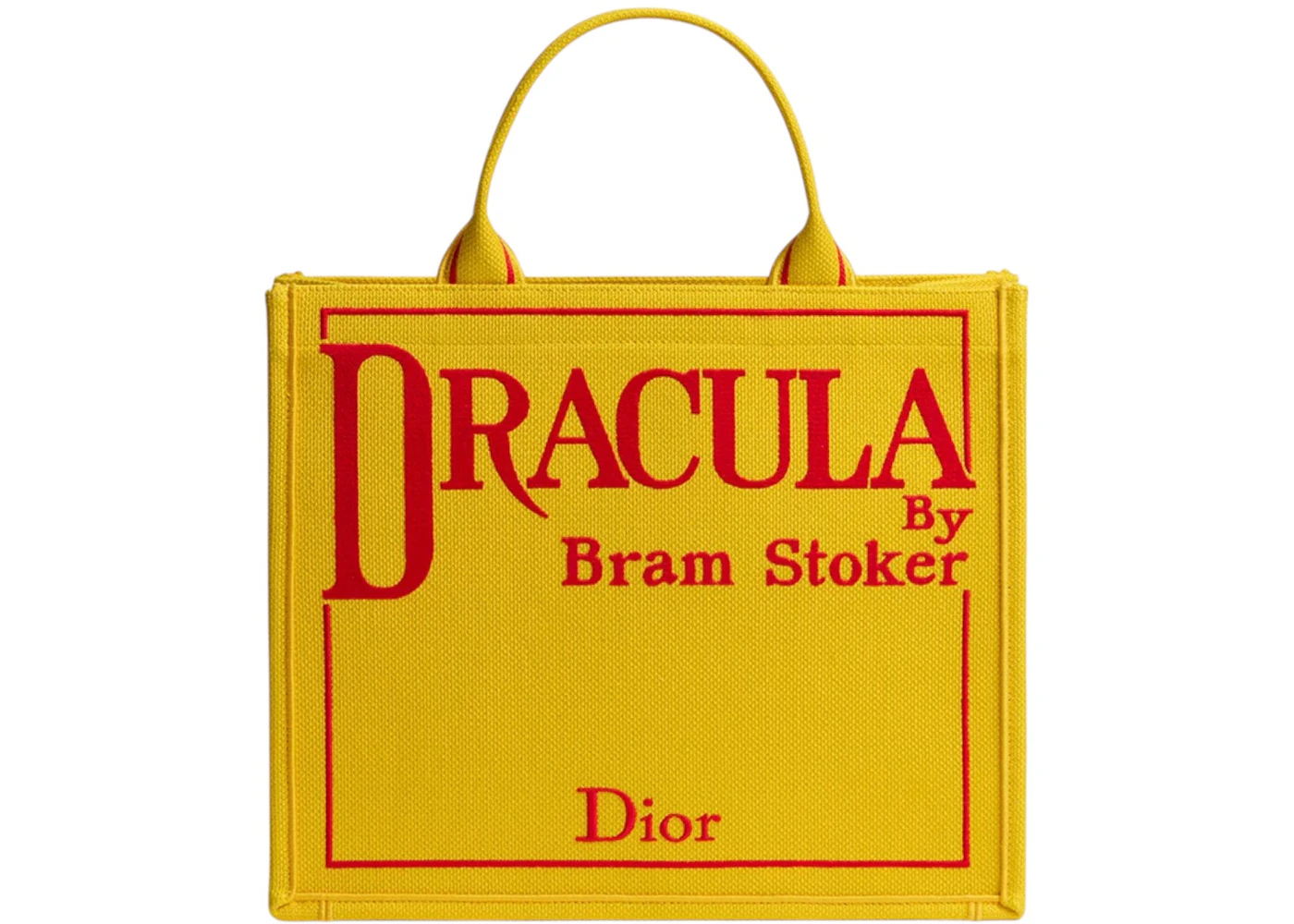
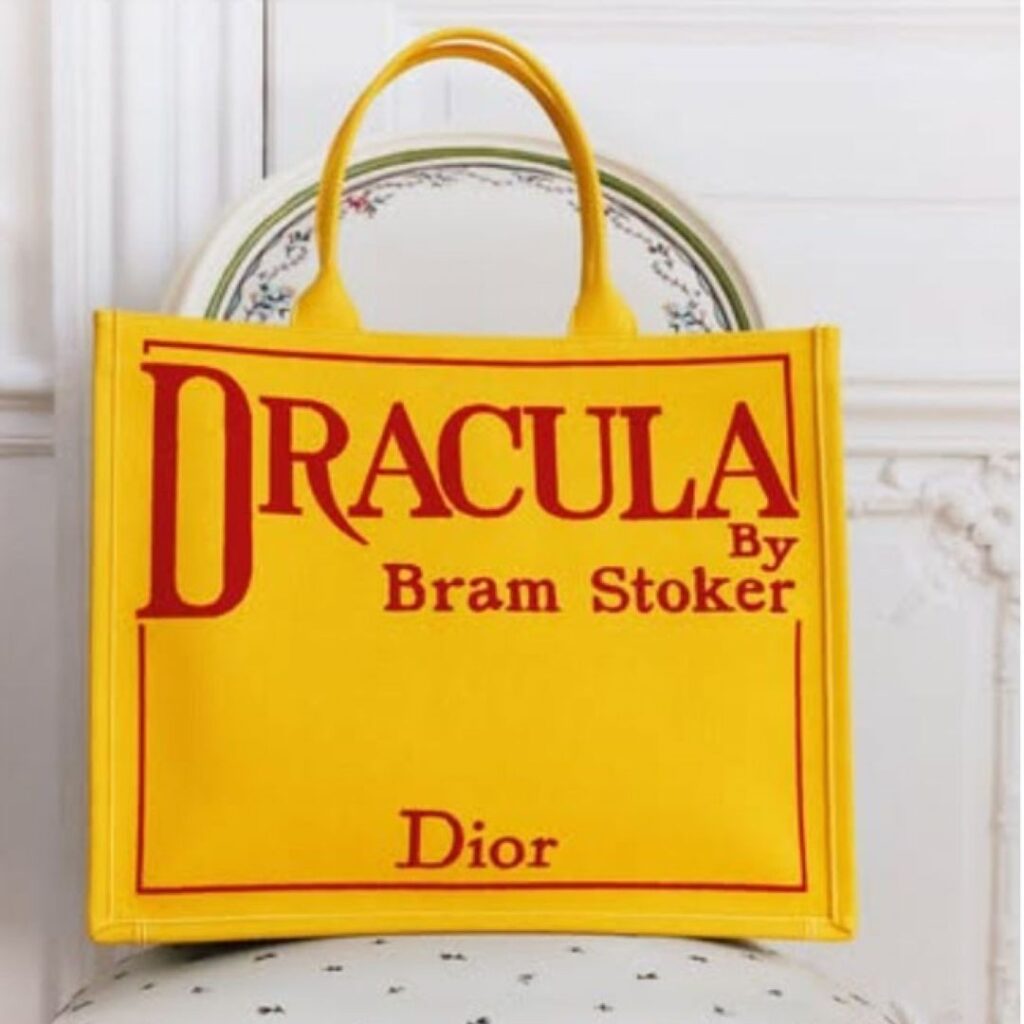
The Dior Book Tote featuring Dracula by Bram Stoker.
Bright yellow. Red serif typography. Dramatic. Slightly camp. Completely unapologetic.
I own this piece personally.
Not as stock. Not as flip inventory. As part of my own collection.
Because it represents something I respect in fashion — when a house leans fully into narrative. When it’s not trying to be minimal. When it’s confident enough to be bold.
There’s something very deliberate about turning a classic gothic novel into a luxury tote. It’s theatrical. It’s intelligent. It’s self-aware.
And those are qualities Jonathan Anderson understands deeply.
If his time at Loewe tells us anything, it’s this:
He will not dilute Dior.
He will refine it.
Expect:
The Book Tote is essentially a blank canvas. Under the right direction, it becomes more than a logo piece — it becomes a cultural artefact.
And that’s where things get interesting from a collector’s standpoint.
Moments like this create definition.
Collectors start asking:
The Dracula tote captures a moment where Dior embraced bold graphic storytelling in a way that felt confident and slightly irreverent.
When leadership shifts, those moments become anchored in time.
And anchored pieces are often the ones that age well.
Fashion isn’t just about silhouettes and hardware.
It’s about narrative.
It’s about authorship.
It’s about who was at the helm when something was created.
Jonathan Anderson at Dior is not just a personnel change. It’s a tonal shift.
And for collectors — especially those who understand archive and context — this is the beginning of a new chapter worth watching closely.
As for my Dracula tote?
She’s staying right where she is.