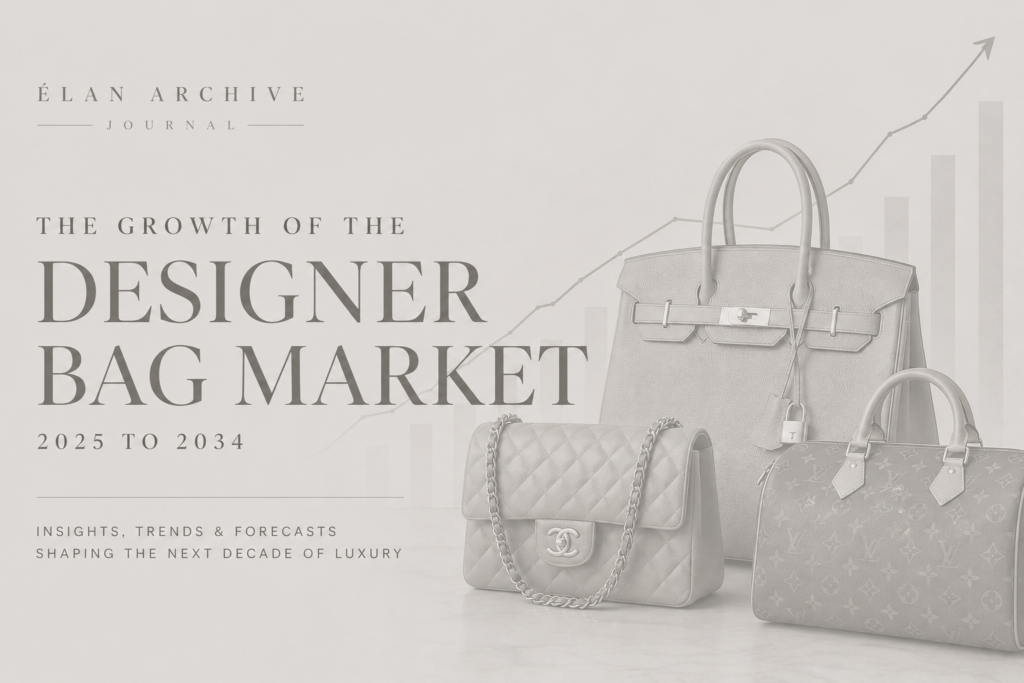
Luxury handbags have evolved from coveted fashion accessories into one of the most dynamic sectors of the global luxury market. According to industry forecasts, the designer handbag market is expected to grow from approximately $70 billion in 2025 to $127 billion by 2034 — an increase of more than 81% over the next decade.
For collectors, resellers, and luxury enthusiasts alike, this growth represents far more than rising retail prices. It reflects a fundamental shift in how consumers view luxury goods, with handbags increasingly seen as collectible assets, status symbols, and stores of value.
A Market Worth $70 Billion — And Growing
In 2025, the global designer handbag market is estimated to be worth around $70 billion. Forecasts suggest this figure could reach $127 billion by 2034, representing a compound annual growth rate (CAGR) of approximately 6.8%.
To put that into perspective, the market is expected to add almost $57 billion in value over the next nine years.
This growth is being driven by a combination of factors:
- Rising global wealth, particularly in Asia and the Middle East
- Increasing confidence in luxury resale
- Greater accessibility through e-commerce
- Continued demand for heritage luxury brands
- Consumers prioritising quality over quantity
The Resale Revolution
One of the most interesting aspects of this growth is that it is no longer being driven solely by boutique sales.
The pre-owned luxury market has become a significant force in its own right.
Today, industry estimates suggest that 35–40% of the overall luxury handbag ecosystem is influenced by resale activity, making it one of the fastest-growing segments within luxury fashion.
For a generation of buyers raised on platforms such as Vinted, Vestiaire Collective and Fashionphile, purchasing pre-owned is no longer seen as a compromise — it is often the preferred route.
Consumers are attracted by:
- Better value than retail
- Access to discontinued styles
- Faster availability than boutique allocation systems
- Sustainability credentials
- The potential to recover a significant proportion of their investment later
This shift has transformed luxury handbags from a one-way purchase into a circular economy.
Why Certain Bags Continue to Outperform
Not every luxury handbag benefits equally from this growth.
The strongest performers tend to share four characteristics:
Timeless Design
Styles that remain relevant year after year continue to dominate both retail and resale markets.
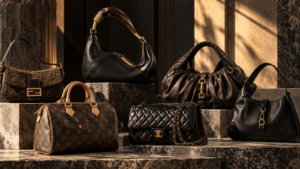
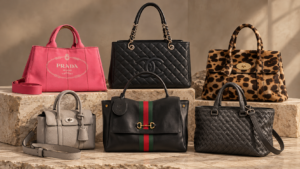
Examples include the Hermès Birkin, Hermès Kelly, Chanel Classic Flap and Louis Vuitton Speedy.
Scarcity
Luxury has always been driven by exclusivity.
Whether through allocations, waiting lists or discontinued production, rarity remains one of the most powerful drivers of value.
Brand Heritage
Consumers continue to gravitate towards houses with strong histories and global recognition.
Hermès, Chanel, Louis Vuitton and Dior remain among the most resilient names in the market.
Provenance & Authentication
As resale grows, buyers increasingly demand transparency.
Professional authentication, documented ownership history and complete sets are becoming more important than ever.
Changing Consumer Behaviour
One of the most notable shifts over the past five years has been a move away from ultra-mini bags.
Instead, consumers are increasingly embracing:
- Larger everyday bags
- Relaxed silhouettes
- Slouchier profiles
- Functional luxury
Styles such as the Balenciaga City, Fendi Spy Bag, Dior Saddle, Chanel 22 and oversized tote silhouettes have benefited from this trend.
Fashion is moving toward practicality, and the luxury market is responding.
Interestingly, many younger consumers are now buying fewer pieces overall but investing in better pieces.
The question is no longer:
“Can I afford this bag?”
It’s increasingly becoming:
“Will I still love this bag in ten years?”
Looking Ahead to 2034
If current forecasts prove accurate, the luxury handbag market in 2034 will be worth almost twice what it was in 2025.
We can expect to see:
- Continued expansion of luxury resale
- Greater use of authentication technology
- More demand for archival and vintage pieces
- Increased transparency around pricing and provenance
- Growth in collector-led communities
For businesses operating in luxury resale, this represents a significant opportunity.
As consumer confidence grows and the market matures, specialist businesses focused on sourcing, authentication and curation are likely to become increasingly important.
Archive Insight
The luxury handbag market isn’t simply growing — it’s evolving.
A projected rise from $70 billion to $127 billion suggests that luxury handbags are no longer viewed purely as fashion purchases. They are becoming cultural artefacts, collectible assets and, for many buyers, an alternative store of value.
The most successful collectors won’t necessarily be the ones chasing today’s hottest release.
They’ll be the ones identifying tomorrow’s classics before everyone else does.
Keep the passion. Enjoy the journey
By Tony Hookings-Skinner, founder of Elan Archive